
That’s the whole system. Not a strategy, not a framework. Just eight things you keep on hand and the fact that they combine in more ways than you’d expect when the nearest grocery stop is three days behind you.
I’ve been cooking in vans long enough to know that pantry discipline is the difference between eating well and standing next to a petrol station at 9pm with a bad sandwich. The problem with most van kitchens isn’t the cooking. It’s that people stock 30 things and rotate three meals. You waste more, buy more, and nothing ever runs out cleanly.
So years ago I stripped things back to eight. These eight. Everything else became variable, picked up fresh where I found it or skipped entirely.
1. The Ingredients, and Why These Eight
Before the recipes, here’s why these eight specifically.
Olive oil. Fat, flavour base, and your makeshift non-stick coating when you’re working with a pan that’s seen better days. Every recipe here starts with it.
Garlic. Fresh if you have it, a small jar of pre-minced if storage is tight. Garlic is the reason something smells like actual dinner. Without it, heated food is just heated food.
Canned tomatoes. Crushed or diced, about 400g per can. Sauce, soup base, cooking liquid. One ingredient doing three jobs.
Canned chickpeas. Protein, fibre, bulk. They work whole, smashed, stirred, or dry-fried until they blister. I’ve yet to find a pantry ingredient more adaptable.
Dried pasta. Any shape. Takes up almost no space, keeps indefinitely, and turns everything else into a proper meal.
White rice. Go for parboiled if you want a faster cook time. The base for half these recipes, and a reliable backup when pasta feels like too much.
Ground cumin. One spice that earns every gram of shelf space. It warms tomatoes, deepens chickpeas, and makes rice taste like it has a purpose. Toast it in oil before adding anything else and you’ll understand why.
Smoked paprika. Not sweet, not hot. Smoked. A pinch adds something that takes ten minutes of cooking to explain. I once ran out mid-week and felt it across three consecutive meals.
That’s the shelf. Everything else is a bonus.
For the storage and layout decisions that make a system like this actually work in practice, this piece on van life kitchen tips on Van Life Kitchen covers the details worth knowing before you start reorganising your setup.
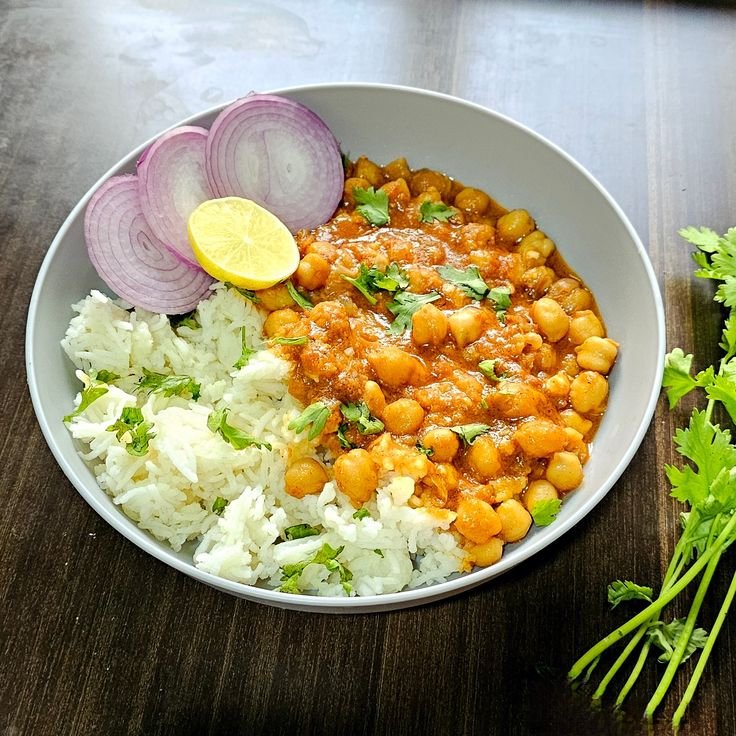
2. Chickpea Pasta in Smoky Tomato Sauce
The most reliable meal in the system. Twenty minutes, one pot, and it tastes like it took longer.
Cook your pasta until just under done, then drain or ladle out most of the water and set it aside. Leave a small splash in the pot. In that same pot, heat olive oil and cook two cloves of garlic until golden. Add your canned tomatoes and a generous pinch of smoked paprika. Let it reduce for five minutes, then stir in the drained chickpeas. Return the pasta to the pot. Toss everything together with a thread of olive oil at the end.
Salt as you go. Taste it. That’s the recipe.
The chickpeas thicken the sauce slightly as they warm through. The pasta absorbs the tomato. It’s filling in the way that good, simple cooking is filling, which is a different feeling from being heavy.
One adjustment worth knowing: add a half-teaspoon of cumin alongside the paprika and the dish shifts entirely. Same pot, same eight ingredients, completely different dinner. More Moroccan than Italian. Warmer, earthier, less bright. Two recipes in one, really.
3. Cumin Rice and Chickpeas
I resisted rice for a long time in the van. Felt like too much water, too easy to burn on a single burner if I stepped away for a minute. Then I learned to cook it low and slow with a lid and stopped touching it. No more scorched bottoms.
Toast a teaspoon of cumin in olive oil for about 30 seconds before anything else goes in. Just 30 seconds, but it transforms the spice from something raw and earthy into something warm and deep. Add sliced garlic, the drained chickpeas, a cup of rice, and enough water to cover by about two centimetres. Salt well. Lid on. Low heat. Leave it alone for 15 to 17 minutes.
When you lift the lid, everything should be cooked through with a slight crust on the bottom. That crust is intentional. Stir it up, drizzle olive oil over the top, and eat.
This is a dish I’d put up against anything from a full kitchen. The cumin carries it. And it reheats well the next morning, which is a quality I value almost as much as flavour.
4. Twenty-Minute Tomato Chickpea Soup
Some evenings don’t need a production. They need a bowl of something warm with some texture and not much washing up.
Heat olive oil, cook garlic until soft. Add a full can of tomatoes and half a can of water. Bring to a gentle simmer, add the chickpeas whole, then season with cumin and a good amount of salt. Let it cook for 15 minutes. It’s done when the chickpeas have softened slightly and the tomato has mellowed and lost that tinny edge.
If you have spinach or a squeeze of lemon on hand, both work here. Without those additions, it’s still a complete meal. Tear bread into the bowl if you have a loaf, or eat straight from the pot.
This is the recipe I default to when it’s cold outside, or when I haven’t quite decided what I want. It’s not clever. But it’s exactly enough.
Over at Van Life Kitchen, there’s a solid collection of repeatable van meals that work well alongside this approach if you want to build out further without complicating the pantry.
5. Tomato Rice Pilaf
Different in feel from the cumin rice, though the base process is similar. Here the tomatoes do most of the flavour work.
Start with olive oil and garlic as usual. Add a spoonful of smoked paprika and stir it through the oil for about 30 seconds. Then add the dry rice and stir to coat everything in that paprika oil. Pour in the canned tomatoes, then add about a cup of water since you’re using the tomatoes as your cooking liquid, not water alone. Season well, cover, and leave it.
The rice cooks into the tomato and comes out a deep reddish-orange with a flavour that sits somewhere between Spanish rice and something from a street stall. It’s significantly better than plain boiled rice, and I say that as someone who has nothing against plain boiled rice. Stir chickpeas in during the last five minutes if you want more body.
A word on the paprika here: this dish is only as good as your spice. Old paprika that’s faded to a dusty tan will give you almost nothing. If yours has lost its colour, replace it before trying this one. The spice matters more here than the technique.
6. Smashed Chickpea Pasta
This one surprises people. It’s the plainest-looking recipe on the list and also the one that generates the most questions when someone actually tries it.
Cook your pasta. While it cooks, heat a generous amount of olive oil in a pan and add drained chickpeas. Leave them without stirring for two or three minutes until they blister on one side. Smash them roughly with the back of a spoon. Not completely. About half of them should be broken down, the rest left whole.
Add sliced garlic. Cook for another two minutes. Add a pinch of smoked paprika and a half-pinch of cumin.
Drain the pasta but save a small cup of the starchy cooking water. Add the pasta to the chickpea pan. Pour in a few tablespoons of that saved water and toss everything together over high heat for about a minute.
The smashed chickpeas create something almost sauce-like, coating the pasta without any cream, butter, or cheese required. It’s entirely pantry-sourced. No fresh ingredients needed. And it doesn’t taste like something you made because there was nothing else.
I’ve made this for people with full home kitchens and they’ve asked for the recipe. That’s the best endorsement I can give anything cooked in 20 square feet.
7. Where Van Pantry Planning Goes Wrong
The mistake isn’t the recipes. The mistake is treating pantry ingredients as backup rather than primary.
Most van cooks buy fresh food as the main event and keep canned goods for emergencies. So the chickpeas sit there, the rice sits there, and every few days someone opens a can of tomatoes to bulk out something that didn’t quite work. They never develop a feel for how these eight items relate to each other.
The other problem is spice variety. Five blends that each only work with one dish take up space and expire before they’re used. Two spices that work across everything are worth ten that work with one each. Cumin and smoked paprika cover a lot of ground. That’s the whole argument for keeping this list short.
And then there’s the garlic problem. People consistently buy too little and run out mid-week. Garlic is load-bearing in this pantry. When it’s gone, every subsequent meal tastes slightly flat and you don’t quite realise why until the third day. Keep two heads of fresh garlic or a decent jar of minced. Running out is not a reasonable outcome.
If you want to see the actual cost-efficiency numbers behind ingredient overlap, this budget hacks breakdown on Van Life Kitchen makes the case clearly.
8. Which Recipe Uses What: At a Glance
Here’s a reference chart for restocking before a long stretch without grocery access. Every item on the shelf appears in at least two recipes. Nothing goes untouched.
| Recipe | Olive Oil | Garlic | Canned Tomatoes | Chickpeas | Pasta | Rice | Cumin | Smoked Paprika |
|---|---|---|---|---|---|---|---|---|
| Chickpea Pasta in Smoky Tomato Sauce | yes | yes | yes | yes | yes | no | no | yes |
| Cumin Rice and Chickpeas | yes | yes | no | yes | no | yes | yes | no |
| 20-Minute Tomato Chickpea Soup | yes | yes | yes | yes | no | no | yes | no |
| Tomato Rice Pilaf | yes | yes | yes | no | no | yes | no | yes |
| Smashed Chickpea Pasta | yes | yes | no | yes | yes | no | yes | yes |
All five recipes use olive oil and garlic. Every other ingredient shows up in at least two. Nothing sits unused at the end of the week.
If you’re thinking about what tools actually make this kind of cooking practical on the road, the gear picks on Van Life Kitchen is worth reading before you invest in anything.
The idea behind this system isn’t originality. Chickpeas with garlic and olive oil has existed in some form around the Mediterranean for centuries. I didn’t invent anything.
But what I’ve found, cooking out of a van for years now, is that constrained pantry cooking forces a kind of attention that makes you sharper. You stop measuring loosely. You learn what cumin does at different heat levels. You start tasting earlier in the process because there’s nothing extra to correct a mistake with.
Eight ingredients. The rest takes care of itself.
FAQs
Can I swap the canned chickpeas for something else?
Yes. Canned white beans, cannellini beans, or butter beans work in every recipe here and behave similarly. Canned lentils are a reasonable substitute in the soup and the rice dish, though the texture comes out softer. Any canned legume holds up fine across this list.
How long do these ingredients last in a van?
Canned goods keep well past their printed dates under most conditions, typically two to three years without meaningful quality loss. The real concern in a van is heat exposure. Dried pasta and rice should go into sealed containers rather than staying in original packaging, especially through summer when pantry temperatures can swing considerably. Olive oil degrades faster in heat, so buy smaller bottles and replace them regularly rather than storing a large one for months.
Do all five recipes work on a single-burner stove?
All five are built for one burner and one pot or pan. None require cooking two things simultaneously. The two rice dishes benefit from a lid. If your pan doesn’t have one, a sheet of foil laid flat across the top works reasonably well for trapping steam.
What order makes sense if I’m cooking these across a week?
Cook the pasta dishes on days when you have more energy for active stovetop time. Save the soup for evenings when you want minimal effort and minimal cleanup. Make the rice dishes mid-week when your perishables are running low and the pantry is doing most of the work. The tomato rice pilaf reheats particularly well the next morning with a fried egg on top, if eggs are in the picture.
Is eight ingredients genuinely enough for a full week?
For the core meals, yes. Five dinners from eight pantry items is the point. Where it gets interesting is layering in whatever’s locally available: a handful of cherry tomatoes from a farm stand, a courgette, some decent local bread. The eight-ingredient base handles the structure and nutrition. Fresh additions improve the experience but aren’t required. Some of my best weeks on the road have been the ones where I cooked purely from this list and nothing else.